

Current
Digital Subculture: Narrative and Story in the Digital Era
2026-04-16 – 2026-06-28- Discover more
- International
- No. of Artworks
- 23
- Venue
- Sculpture Garden at the Busan Museum of Art and affiliated venues including Domoheon
- Inquiries
- 051-740-4249
Busan Museum of Art presents Digital Subculture: Narrative and Story in the Digital Era. This exhibition focuses on new modes of storytelling constructed through digital media such as short-form videos and reels by 14 digital creators working within contemporary media environments shaped by artificial intelligence (AI) and social media platforms. In particular, the exhibition explores the temporality and narrative structures of moving images that, following the collapse of traditional linear storytelling, are continuously reconfigured through the viewer’s active interpretation and affective response. Expanding sensory moving images once confined to smartphone screens into the outdoor sculpture garden of the Busan Museum of Art and urban media facades, the exhibition offers opportunities to experience these works in diverse ways within public spaces.
Digital Subculture: Narrative and Story in the Digital Era
The contemporary era is defined by the transition from analog to digital. Under the multifaceted societal shifts of the Fourth Industrial Revolution, moving image culture is also undergoing a subversive transformation.
Amid the Industrial Revolution—beginning with Louis Daguerre’s early practical photographic process and Eadweard Muybridge’s motion studies through sequential photography, and leading to the invention of motion photography via Thomas Edison’s “Kinetoscope” and the Lumière brothers’ “Cinématographe”—from the 19th century, moving images pioneered, with its culture such as videos and films permeating society and becoming integral to daily life.
By the 20th century, the economic utility of capitalism established the Cinématographe system, which allowed for mass spectatorship and generated collective empathy, as the technical standard of the video industry. Consequently, the Kinetoscope system designed for private effect (single-person viewing) was naturally phased out.
In the 21st century, the contemporary age, new digital technologies such as mobile phones, personal computers, and digital displays have infinitely expanded the moving image platforms through which the public accesses and receives content. This transformation of the media ecosystem, somewhat ironically, is re-summoning the Kinetoscope method of individual experience while marginalizing the Cinématographe method grounded in collective experience. That is to say, we have now arrived at a more democratic era of video culture, where individuals can independently select and contemplate video content anywhere, free from the constraints of time and space.
This social phenomenon is clearly exemplified by the decline of the cinematic film industry (e.g., Megabox, MGM) and the flourishing of OTT-based industries (e.g., Netflix, YouTube). In other words, we are facing a conceptual shift toward a “Neo-Kinetoscope” video culture.
As this concept of the Neo-Kinetoscope becomes visible within our social environment, the orthodox, textbook-standard structures of video, including frame, shot, scene, sequence, plot, and narrative, are naturally being dismantled and reconstructed. Particularly, within the domain of the Neo-Kinetoscope, video narrative and story are manifesting as new cultural phenomena like “short-form” and “reels.”
In this realm, although the running time of the video appears physically compressed, the mental imagination of the individual is, rather, expanding multi-dimensionally; collective empathy shifts toward private affect, and linear time is fragmented into non-linear forms. In response, this exhibition poses the following questions:
Is the narrative appearing in compressed and fragmented configurations, departing from the existing ones premised on linear and consecutive structures, merely the result of physically condensing the story? Is temporality in this context simply reduced according to formal constraints?
Or, conversely, could this newly emerging aspect of short-narrative video culture rather be the result of the viewers’ expanded cognitive response? Unlike the narrative of the past, limited by a completed structure, might these narratives offer new possibilities for non-linear temporality—where memory, emotion, and psychological/affective experiences overlap within a brief duration to expand the subject’s internal response?
To explore these critical concerns, this exhibition, under the theme Digital Subculture: Narrative and Story in the Digital Era, provides a site to discuss the new discourses surrounding the conditions of narrative in the digital age.
*The exhibition will remain on view at Domoheon throughout June.
(Hours: Mon-Fri: 10:00 AM~6:00 PM / Sat: 10:00 AM~8:00 PM)
*Promotional Site
▶ Loop Lab Busan 2026 https://looplabbusan.kr/
▶ Instagram https://www.instagram.com/busanmuseumofart/>/a>
▶Blog https://blog.naver.com/busanmuseumofart
▶ Thread https://www.threads.com/@busanmuseumofart?xmt=AQF0XaV05GIAr6rDLlWw6w8LH5iSKRW1MbVwdOYoqPj_DoY
Digital Subculture: Narrative and Story in the Digital Era
The contemporary era is defined by the transition from analog to digital. Under the multifaceted societal shifts of the Fourth Industrial Revolution, moving image culture is also undergoing a subversive transformation.
Amid the Industrial Revolution—beginning with Louis Daguerre’s early practical photographic process and Eadweard Muybridge’s motion studies through sequential photography, and leading to the invention of motion photography via Thomas Edison’s “Kinetoscope” and the Lumière brothers’ “Cinématographe”—from the 19th century, moving images pioneered, with its culture such as videos and films permeating society and becoming integral to daily life.
By the 20th century, the economic utility of capitalism established the Cinématographe system, which allowed for mass spectatorship and generated collective empathy, as the technical standard of the video industry. Consequently, the Kinetoscope system designed for private effect (single-person viewing) was naturally phased out.
In the 21st century, the contemporary age, new digital technologies such as mobile phones, personal computers, and digital displays have infinitely expanded the moving image platforms through which the public accesses and receives content. This transformation of the media ecosystem, somewhat ironically, is re-summoning the Kinetoscope method of individual experience while marginalizing the Cinématographe method grounded in collective experience. That is to say, we have now arrived at a more democratic era of video culture, where individuals can independently select and contemplate video content anywhere, free from the constraints of time and space.
This social phenomenon is clearly exemplified by the decline of the cinematic film industry (e.g., Megabox, MGM) and the flourishing of OTT-based industries (e.g., Netflix, YouTube). In other words, we are facing a conceptual shift toward a “Neo-Kinetoscope” video culture.
As this concept of the Neo-Kinetoscope becomes visible within our social environment, the orthodox, textbook-standard structures of video, including frame, shot, scene, sequence, plot, and narrative, are naturally being dismantled and reconstructed. Particularly, within the domain of the Neo-Kinetoscope, video narrative and story are manifesting as new cultural phenomena like “short-form” and “reels.”
In this realm, although the running time of the video appears physically compressed, the mental imagination of the individual is, rather, expanding multi-dimensionally; collective empathy shifts toward private affect, and linear time is fragmented into non-linear forms. In response, this exhibition poses the following questions:
Is the narrative appearing in compressed and fragmented configurations, departing from the existing ones premised on linear and consecutive structures, merely the result of physically condensing the story? Is temporality in this context simply reduced according to formal constraints?
Or, conversely, could this newly emerging aspect of short-narrative video culture rather be the result of the viewers’ expanded cognitive response? Unlike the narrative of the past, limited by a completed structure, might these narratives offer new possibilities for non-linear temporality—where memory, emotion, and psychological/affective experiences overlap within a brief duration to expand the subject’s internal response?
To explore these critical concerns, this exhibition, under the theme Digital Subculture: Narrative and Story in the Digital Era, provides a site to discuss the new discourses surrounding the conditions of narrative in the digital age.
*The exhibition will remain on view at Domoheon throughout June.
(Hours: Mon-Fri: 10:00 AM~6:00 PM / Sat: 10:00 AM~8:00 PM)
*Promotional Site
▶ Loop Lab Busan 2026 https://looplabbusan.kr/
▶ Instagram https://www.instagram.com/busanmuseumofart/>/a>
▶Blog https://blog.naver.com/busanmuseumofart
▶ Thread https://www.threads.com/@busanmuseumofart?xmt=AQF0XaV05GIAr6rDLlWw6w8LH5iSKRW1MbVwdOYoqPj_DoY
Artist Introduction
Major Artworks
-
 린 하네다 x 필아트 AI <트렌딩: 전쟁의 증거>, 2026
 -
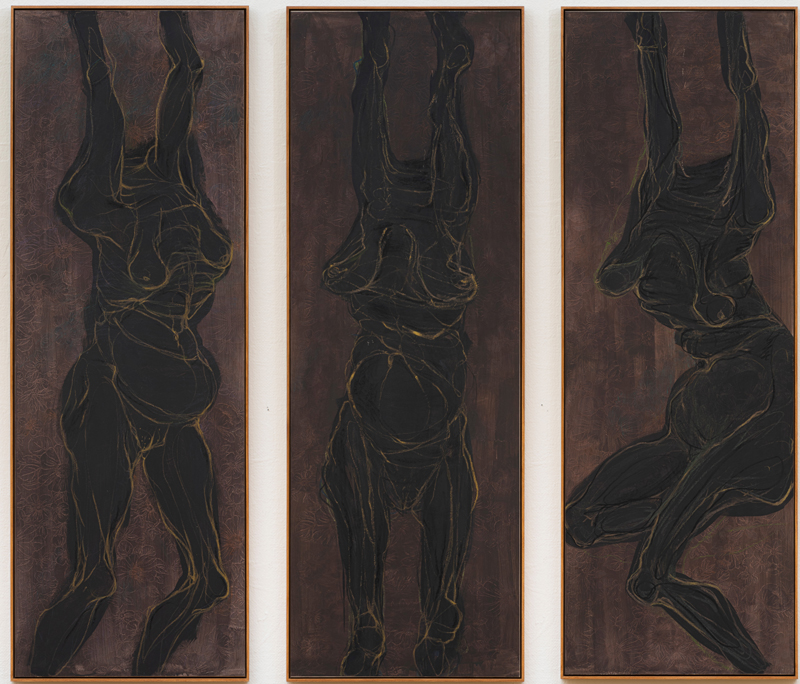 루시아 팜 <누가 살인자인가?>, 2024
 -
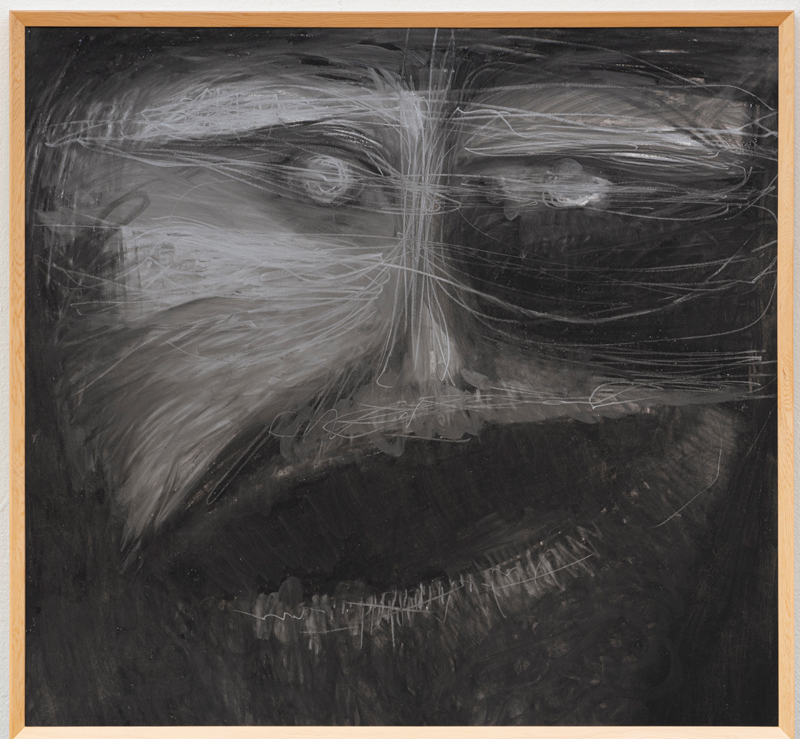 켈리 보쉬 <나는 괜찮아>, 2026
 -
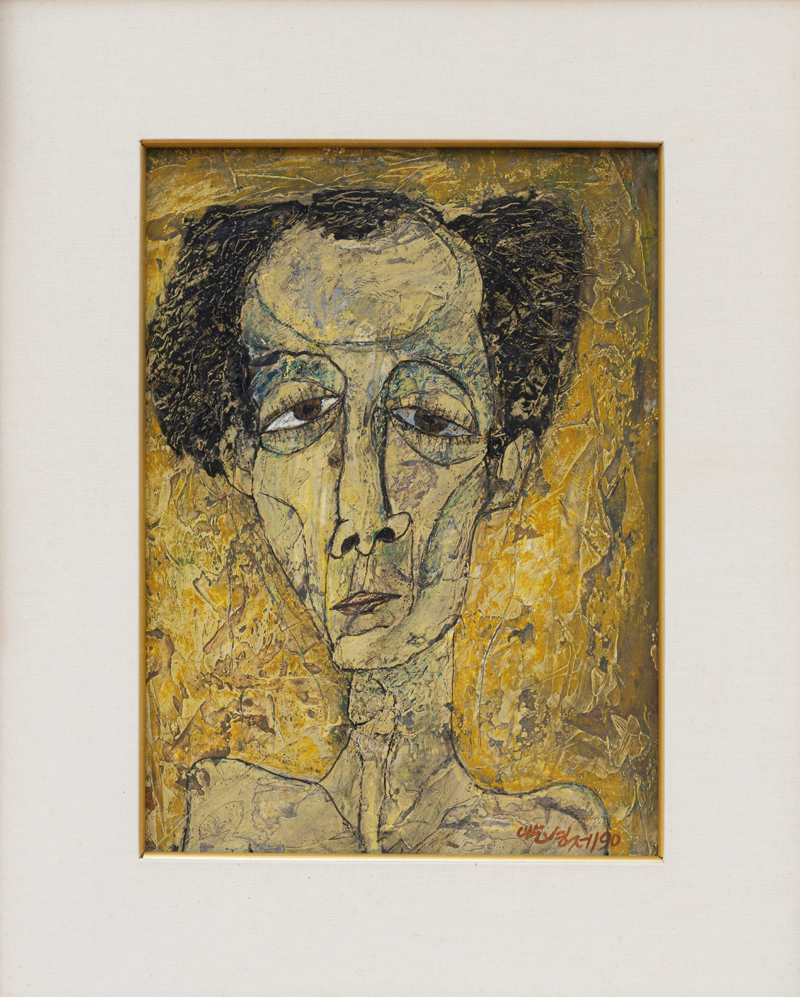 차밍 컴퓨터 <루시안>, 2025
 -
 에드 카 <나비목>, 2025
 -
 리버 <엑스 바쿠오>, 2026
 -
 차웅산 <시뮬라크르 뮤지엄>, 2026
 -
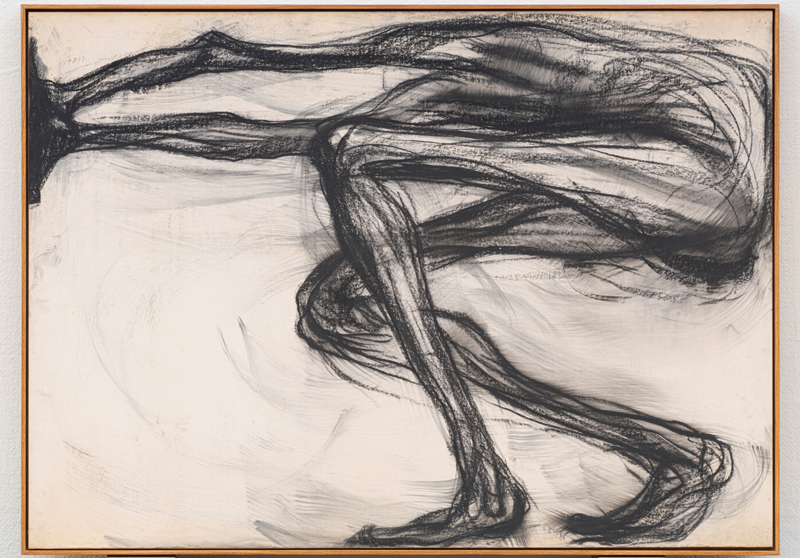 필아트 AI <베니스 언더그라운드>, 2025
 -
 나이스앤티스 <19:19>, 2025
 -
 메트로노본 <침묵하는 미래>, 2026
 -
 니콜라스 달위츠 <휴에즈 숲의 가족과 친척들>, 2026
 -
 데이비드 사우더 <보호>, 2026
 -
 데이비드 사우더 <춤을 추자>, 2025
 -
 데이비드 사우더 <핼러윈드>, 2025
 -
 아르비주 <창백한 사람들 - 미묘한 만남들>, 2025
 -
 이오시프 그키니스 <관찰되는 권위>, 2025